The Online Generation

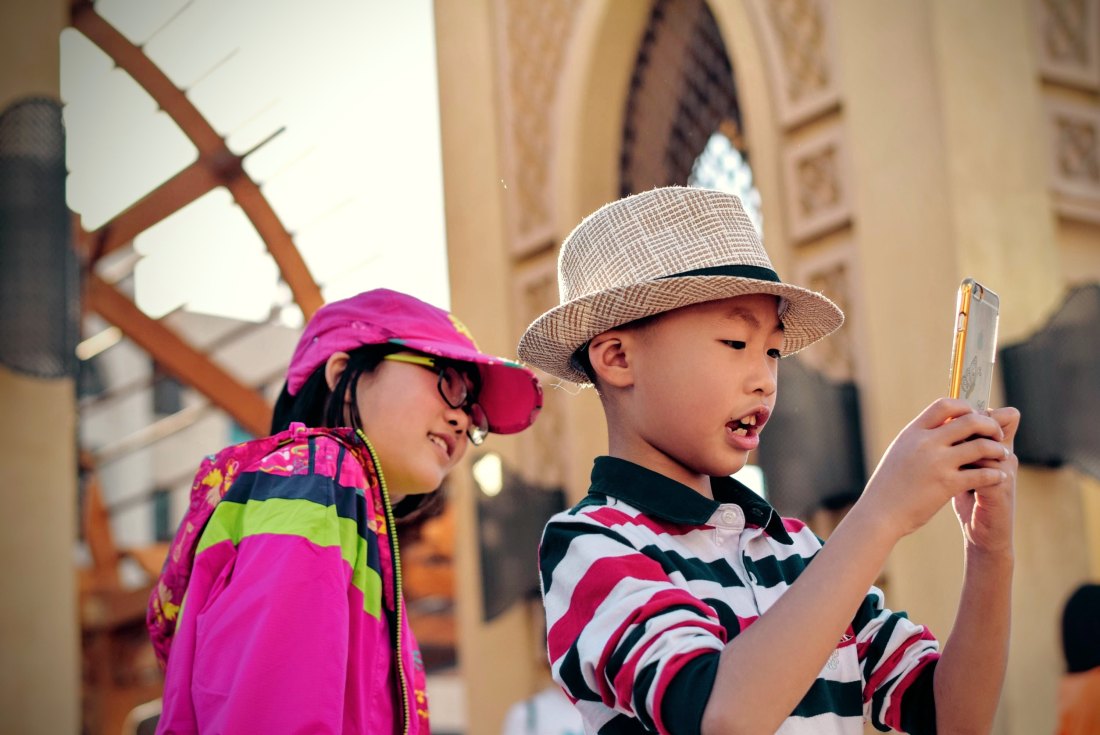
People my age and more so children a few years younger than me have grown up in the digital world, where most of the modern technology that is so influential in today’s world (smartphones, tablets, etc) already existed. David Rushkoff and Generation Like take us through the new ways we interact with our world, and the effect it has on young and old, focusing on the younger generations whose lives are the most online. What resonated with me most is how our youth share and interact in a world that is increasingly digitized, yet there is little being done to monitor and educate them about what this actually means.

Children and young adults are spending more and more time and putting more and more personal information online without stepping back to reflect on their actions, because how should a 13-year-old be able to self-discern proper sharing on the Internet? The older generations created “Generation Like” by creating the vast Internet and giving it to all with no guidelines or restrictions. 8th grader Daniela Diaz is a great example of this in the video. She posts singing videos, vlogs and pictures to the web to enjoy the attention they receive. While nothing is wrong with posting a few videos to YouTube, it seems Daniela does not necessarily understand the gravity of what she is doing. And how could she? 8th graders are not expected to have a great amount of self-acquired digital literacy. The most troubling fact about this video is not that her parents are unaware of her online presence, rather it’s that they support and encourage it. Her mother boasts that she takes all of Daniela’s photos and was the one to originally suggest that she post videos to YouTube. Her mother’s behavior is a disturbing reflection of a greater reality: Parents don’t understand the consequences of a digital world, so how are their kids supposed to know? Daniela’s mother explains that when her daughter posts a picture in a swimsuit or bikini, she gets more likes than other pictures. Mind you, at the time of Generation Like, she is not old enough to drive a car. She literally has data that her young daughter exposing herself receives more attention, yet she does not seem concerned by it. Understandably so, the gravity of Daniela’s actions on the Internet is lost on her, as she gets caught up in the fun of likes and comments from “fans.” Parents and all adults need to better understand the permanence of the Internet and its other attributes in order to properly educate their children who nowadays are surrounded by technology from the day they are born. Daniela’s mother doesn’t have to ban her daughter from posting, but before she begins, she should explain to her the Internet’s permanence and other potential consequences. Following the release of the episode, Daniela’s YouTube channel saw a surge of hateful comments.

Another aspect of the Internet discussed in Generation Like and especially affecting children is social currency moving online. Now, young adults’ popularity is often determined by how many likes they get, or the perception of their online profiles. Rushkoff sits down at a table of teenagers helping their friend revamp his Facebook profile and interviews a girl who works to be the most recognized Hunger Games fan online. Rushkoff shows how much time teens put into their Internet presence and content usually without pay, but as an expert tells him, “it doesn’t matter, because they’re famous.” It interests me how much time we spend online not for a tangible reward, but for social acceptance and prestige.

Generation Like examines everyday online happenings for our kids while going deeper to learn more about how today’s youth spend their time online. This video unsettled me, realizing just how much unrestricted and uneducated access young adults have to the Internet while really knowing nothing about it. Our schools need more web competency courses, and our parents need to educate themselves much more before ever putting a device in their child’s hands.
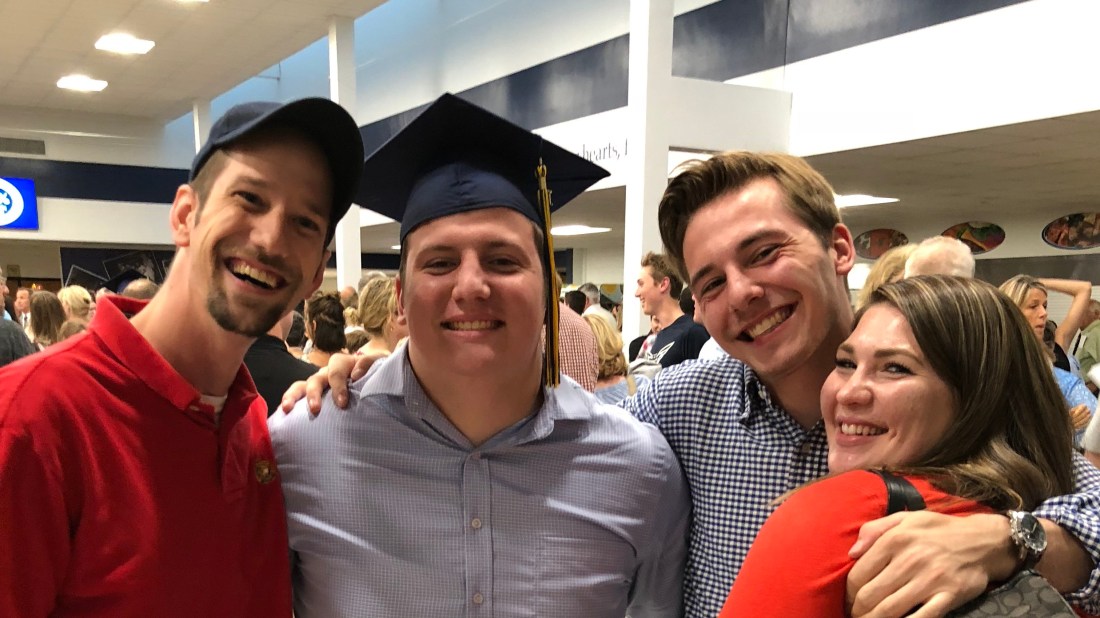
Photo by Tim Gouw (@punttim) on Unsplash.com. URL: https://unsplash.com/photos/LmYcS4nwj8w

An Introduction

Hi! My name is Ryan King, and I am pleased to introduce myself for JRM 215: Media and Digital Literacy. I am enrolled in this class as part of the JMC department core of classes, of which I am taking five this semester! I am very excited for my schedule this fall, as I get to dive head first into the journalism curriculum after changing my major at the end of my sophomore year. I am a junior from the Twin Cities of Minnesota. Above is a picture of myself with my brothers and sister-in-law at my brother’s graduation.

I have had an extensive and casual career with media. I mean that as in I have long been a consumer of media and other digital formats (the internet, social media, television, etc) but I have not necessarily taken much time to study it. My first real experience with the study of these concepts was my sophomore year taking BIA 253, studying information systems with very introductory coding, and History of American Mass Media, where we examined American news and journalism’s evolution throughout the years and its impact on significant historical events in the United States. This semester being enrolled in courses such as Media and Digital Literacy, Social Media and Digital Foundations for the Web, I am really looking forward to acquiring more “media and digital literacy” (wink wink).

As I previously mentioned, I am a regular consumer of media. I usually read the news surfing different sites on my laptop or by following news organizations’ social media accounts on my phone. I would like to think that I read up on the news more than a lot of my fellow students, but I know there’s always a bigger fish. In high school I would watch CNN in the morning while I ate breakfast, but since moving off campus, I no longer have cable television. Now the only programs I watch are mostly Netflix and Hulu, which I can watch on my Xbox in my bedroom. I find it funny that more and more people are forgoing cable in favor of streaming apps like Netflix and Hulu, or even programs that mimic cable television such as YouTube TV and Sling. I personally think these advancements are great for consumers. When I come home, I can turn on my gaming system and have access to hundreds of shows and movies through different streaming apps. I don’t even have to play a game if I don’t want to!

That being said, I recognize such a thing as too much technology, and I have been trying to diversify how I spend my free time by doing more reading and less screen time (with mixed results, albeit). It concerns me that our world is so immersed in media, as with the good comes plenty of bad. I have seen first hand that technology has the power to weaken social interaction. Every time I see two people out to eat, both staring into their phones, or I am hanging out with friends doing the same, I wonder how things used to be before technology was so dominant. There is even a difference in how I was raised versus how children now are. I see so many parents who just give their kid the iPhone or tablet when they are being disruptive at dinner. I hate to be judgmental or act like I know anything about parenting, but that just doesn’t seem right to me. Society has a lot of reckoning to do regarding technology and media’s roles within it.

Thanks to my History of American Mass Media class, I now not only analyze the news I read, but I also think critically about the news organizations that produce it and journalism in general, now that I understand journalism’s history better. What I enjoy about the news media is how well connected and advanced they are in delivering content to consumers. Large networks like CNN have strong social media presences, well-known anchors and a broad array of content beyond just headline news. What can be frustrating, however, is how some individuals and networks have allowed themselves to become politicized beyond just delivering the news. I was a frequent watcher of CNN’s morning news, then I stopped whenever when Chris Cuomo came on. While I can’t say I disagreed with his political beliefs, it bothered me in the way he clearly expressed them, through snide comments and unprofessional rhetoric in his delivery, especially regarding Donald Trump. It makes it difficult for someone like me who just wants to receive the proper information and make a judgment for myself.

This semester, I look forward to the opportunities this course will bring, and I want to leave with a better intellectual understanding of the media I surround myself with constantly. I also hope that through said understanding, I can make my media consumption more meaningful, and less wasteful and unproductive. I’m excited for a great year!

Picture taken by me.